Can I eat eggs in pregnancy?
The short answer: it depends on the eggs
Eggs safe in pregnancy
- Pregnant women can eat eggs
Eggs are one of the most nutritious foods you can eat during pregnancy, packed with protein, choline and iron. But you may have heard mixed messages about whether runny yolks are safe. Here's what the current guidance actually says.
The short answer: it depends on the eggs
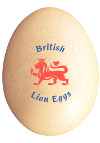
British Lion hen eggs — those with the red lion stamp on the shell — can be eaten raw, partially cooked (including a runny yolk), or well-cooked during pregnancy, as long as they're eaten before the use-by date. This applies whether you're making soft-boiled eggs, poached eggs, hollandaise sauce or homemade mayo.
Eggs produced under the British Lion Code of Practice come from flocks that have been vaccinated against salmonella, which is why the guidance changed.
What about eggs without the Red Lion stamp?
Hen eggs that are not British Lion eggs should only be eaten well-cooked — that means the white and yolk both need to be fully set. All other eggs, including duck, goose and quail eggs, should also be well-cooked regardless of where they come from.
If you're eating out and aren't sure whether the restaurant uses British Lion eggs, ask the staff. When in doubt, order your eggs well-done.
Look for the Red Lion stamp
What about bought mayonnaise and egg-based sauces?
Supermarket products generally use pasteurised eggs, so they should be fine — check the label to be sure. Homemade versions are safe if made with British Lion eggs.
Why do eggs matter in pregnancy?
Eggs are particularly valuable during pregnancy: protein supports your baby's growth, and choline — found in the yolk — supports brain and spinal cord development.
The bottom line
Look for the red lion stamp. If your eggs have it, you can enjoy them however you like. If they don't, cook them through completely. Either way, eggs are a brilliant addition to a pregnancy diet.