“Surviving, Not Thriving”: Research Reveals Sleep Crisis for New parents
Promotional Feature
New research commissioned by ergoPouch and conducted by Bounty reveals the hidden depths of sleep deprivation among UK parents. ergoPouch has launched the “Thrive Not Survive” campaign and pledged £10,000 to a Thrive Fund to help around 200 UK families access expert sleep support.
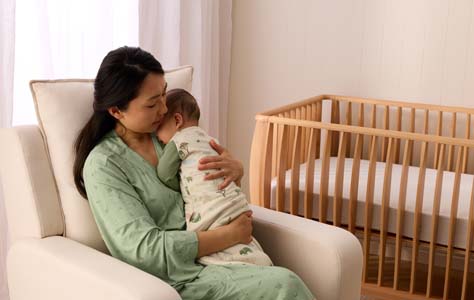
New research commissioned by ergoPouch and conducted by Bounty reveals the hidden depths of sleep deprivation among UK parents, exposing a major gap in postnatal care. Surveying 1,194 Bounty parents, the study found that 72% say lack of sleep affects their mental health and wellbeing, while 45% report symptoms of postnatal anxiety or depression linked to exhaustion, with many still struggling well beyond the newborn stage. Despite the scale of the issue, formal sleep support is largely absent from routine postnatal care, leaving most parents to rely on informal advice. In response, ergoPouch has launched the “Thrive Not Survive” campaign and pledged £10,000 to a Thrive Fund to help around 200 UK families access expert sleep support, while calling for greater recognition of parental sleep deprivation as a serious postnatal health issue.

The research conducted by Bounty found that exhaustion extends far beyond the newborn stage, with 55% of respondents caring for babies older than 12 months, highlighting that sleep disruption can persist well into toddlerhood.
The findings reveal the profound impact of chronic sleep deprivation on parents’ health, safety and daily functioning. 72% of parents said lack of sleep has negatively affected their mental health and wellbeing, while 45% reported experiencing symptoms of postnatal anxiety or depression linked to exhaustion. The strain also spills into everyday life: 55% say sleep deprivation affects their ability to work effectively, 64% worry about returning to work while still sleep-deprived, and 22% admit they have felt unsafe driving due to tiredness, with 8% reporting an accident they believe was linked to lack of sleep.
Beyond safety concerns, the research highlights the emotional and cognitive toll of chronic exhaustion. Many parents reported struggling to regulate emotions (64%), remember details (62%) and concentrate (49%), while 61% said sleep deprivation had impacted their ability to care for themselves and more than half said it had affected their relationships.
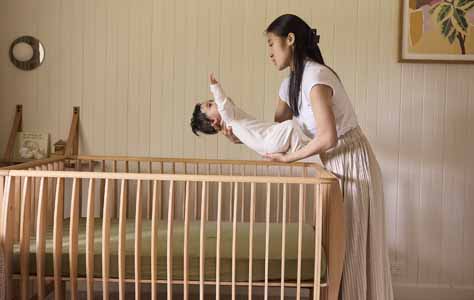
Despite the scale of the issue, support remains limited. Only 2% of parents have hired a sleep expert, leaving most to navigate disrupted sleep through trial and error or informal advice. In response, Australian baby sleepwear brand ergoPouch has launched the “Thrive Not Survive” campaign, alongside a £10,000 Thrive Fund to help around 200 UK families access expert sleep guidance. Founder and CEO Alina Sack said the campaign aims to ensure parents are not simply expected to endure exhaustion: “Too many mums are surviving in silence. Thriving, not just surviving, should be the goal.”